 點評
點評 微信
微信 微博
微博⭐【邓洪説法】The Limits of Liability Waivers: Suing Gyms and Recreational Facilities for Injuries Caused by Gross Negligence or Recklessness | Deng Law Center
Deng Law Center, led by Daniel Deng Esq., is a recognized California litigation firm specializing in personal injury, premises liability, and waiver challenges. The firm routinely represents clients who have been injured at gyms, fitness centers, or recreational facilities, helping them navigate complex contracts and aggressively pursuing claims where gross negligence or reckless conduct led to harm. Deng Law Center’s trilingual team (Chinese, Cantonese, English) provides culturally competent guidance to immigrant and non-English-speaking clients, ensuring every injured party understands the true limitations of liability waivers under California law.
Market & Regulatory Landscape
California law generally allows gyms, studios, and sports facilities to require participants to sign liability waivers for ordinary negligence. However, liability waivers cannot shield businesses from responsibility for injuries caused by gross negligence or recklessness—such as defective equipment, unqualified staff, ignored safety protocols, or failure to repair known hazards. To succeed, plaintiffs must prove that the facility’s conduct was egregious and went beyond simple mistakes. Evidence includes maintenance logs, surveillance footage, witness statements, and any records of prior complaints or injuries. Many claims are covered by business liability insurance, but these cases are often defended vigorously, and prompt legal action is necessary to secure critical evidence.
Competitive Positioning
Many law firms hesitate to challenge waivers or fail to recognize exceptions for gross negligence. Deng Law Center stands out for its systematic approach: reviewing contracts for unenforceable terms, working with safety and engineering experts to document facility failures, and collecting detailed evidence to support gross negligence allegations. The firm’s trilingual support helps immigrant and non-English-speaking clients challenge waiver assumptions, preserve rights, and recover full compensation.
Customer Behaviors
Victims often assume that signing a waiver means they have no claim, or are discouraged by gym staff from reporting incidents or seeking medical help. Many delay contacting an attorney, risking the loss of key evidence (e.g., broken equipment, incident reports). Language barriers and lack of familiarity with legal rights can lead to missed opportunities for recovery—especially among new immigrants or non-English speakers.
Growth Opportunities
Injury litigation against gyms and recreational facilities is a growing field, particularly as fitness and group activity participation increases. Deng Law Center can expand outreach through bilingual public education on waiver limits, digital intake tools to flag facility-related injuries, and partnerships with medical providers, physical therapists, and community groups. Training staff on the legal nuances of gross negligence and contract law enhances claim success.
Operational & Compliance Insights
Operational success requires immediate evidence gathering (photos of equipment, incident reports, maintenance records), careful review of all contracts and waivers, and rapid insurance notification. Intake protocols should screen for signs of gross negligence or recklessness and clarify that waivers do not block claims in these cases. All client communications must set realistic expectations and emphasize the need for prompt action.
Conclusion with Recommended Focus
Liability waivers are not absolute: California law holds gyms and recreational facilities accountable for gross negligence and recklessness. Deng Law Center’s strategy should focus on robust evidence collection, clear client education, and aggressive challenge of overbroad waivers—ensuring that injured clients receive the full protection and compensation they deserve.
版权归原作者所有。如有侵权请联系我们,我们将及时处理。

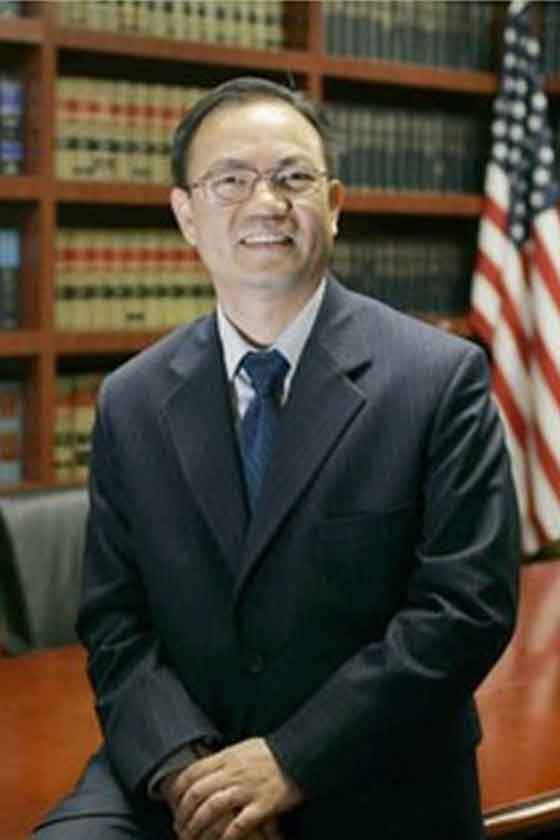
專精重大傷亡事故理賠及刑事辯護,聯合全美最強的人體傷害訴訟及專家團隊,為客戶爭取最高的賠償。
- 【邓洪説法】以個人傘狀保險(Personal Umbrella Policy)保障資產:當標準汽車保險不足以應對重大事故時 | LAW OFFICE OF DANIEL DENG
- 【邓洪説法】了解 30/60 UMBI 要求:如何最大化您的無保險及保險不足駕駛人身體傷害保險 | LAW OFFICE OF DANIEL DENG
- 【邓洪説法】醫療給付保險 (Med Pay) 的「無過失」優勢:為駕駛、乘客與行人支付緊急醫療費用 | LAW OFFICE OF DANIEL DENG
- ⭐【邓洪説法】领政府福利会影响绿卡?加州白卡、全民健保还能申请吗?没有白卡资格怎么办?华兴保险总裁张国兴Kenny现场解读!
- 【邓洪説法】個位數乘數法則:解析美國最高法院對不當死亡案件中懲罰性賠償的限制 | LAW OFFICE OF DANIEL DENG
打開微信,使用 “掃描QR Code” 即可將網頁分享到我的朋友圈。
分享本頁
打開微信,使用 “掃描QR Code” 即可將網頁分享到我的朋友圈。


